
No better way to end yet another shitshow of a year than by clinging to traditions, and for me that usually means digging up this blog from underneath the rubble of another twelve months of political discord and bad takes on social media and driving myself up the wall stretching my executive dysfunction to the limit and attempting to serve up another overview of all the nebulously-defined stuff I enjoyed this year. Like a sweet summer child, I originally planned on covering six artists, six video games and six movies — y’know, like the devil number — but then I realized that Genshin Impact has made me hate video games and the cinemas were closed all year, so unfortunately, it is yet again the subject that no one cares about that gets the long end of the proverbial stick. Here are six artists whose music helped me through the year, in no particular order.
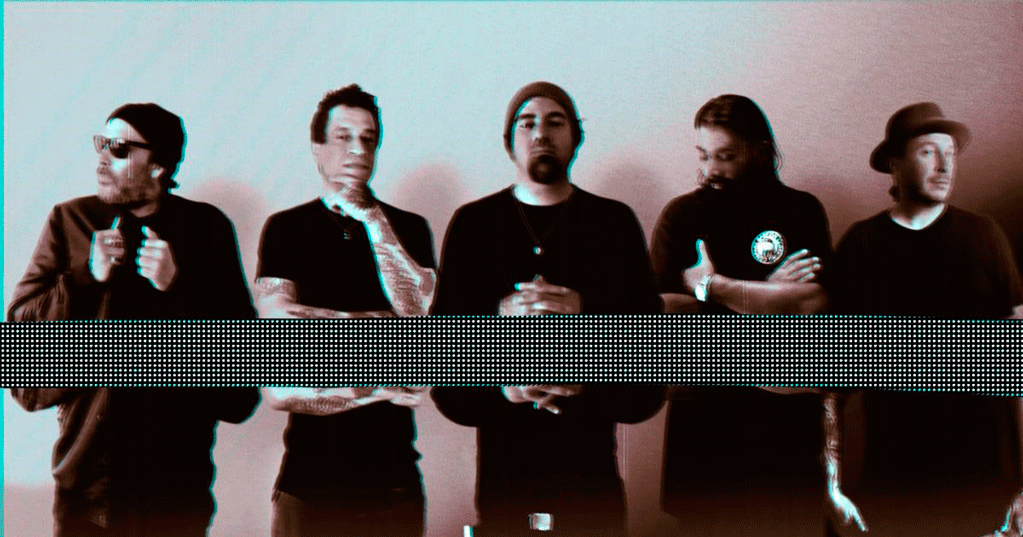
Deftones
Discussions about Deftones often end up describing the band as one constantly torn between the melancholic, genre-defying ambitions of singer Chino Moreno and the simpler, more instinctive appeals to the gut of guitarist Stephen Carpenter — perhaps best exemplified by the fact that album after album, Moreno adds more vocal styles to his already impressive range, while Carpenter adds strings to his trusty instrument to further fine-tune the deep, rich style of riffing Deftones have become known for. With their latest album Ohms featuring the debut of a ninth string on standout cuts like the chugging “Genesis”, the band have proven once again that they’re one of the few heavy bands to come out of the late 90’s and have gracefully graduated from its insufferable excesses. If Ohms didn’t make this clear enough already, this year also saw the 20th anniversary of their seminal breakthrough White Pony — an event that was celebrated by the release of a remix album, aptly titled Black Stallion. Though hardly essential, Black Stallion breathes new life into classics like “Knife Prty” and “Passenger”, all the while reminding listeners of the schizophrenic appeal and conflicting aspirations the original album introduced. With Ohms, this era of Moreno and Carpenter musically butting heads seems to be coming to an end, as exemplified by its atmospheric title track. While White Pony still toyed with musical extremes, following up on the wispy “Digital Bath” with the roaring “Elite”, “Ohms” is both esoteric and defiant, bound to please dreamers and headbangers alike. Even in 2020, beauty can still arise from compromise.

Phoebe Bridgers
In these most trying of times, describing someone’s art as “spreading like the plague” isn’t exactly a compliment, but still: Phoebe Bridgers was everywhere this year. She was on The 1975’s ridiculously titled tear-jerker “Jesus Christ 2005 God Bless America”. She was on Hayley Williams’ excellent solo debut album Petals for Armor. She was on Jimmy Kimmel, performing a goofy synth-pop version of “Kyoto” from her bathroom with nothing but a cheap synthesizer and a children’s toy microphone. She was on Seth Myers, doing the apocalyptic “I Know The End” in a single take from an empty theatre. She was on James Corden, singing “ICU” while doing sick donuts in her car. She was probably on your timeline, too, promising to cover 90’s cheese classic “Iris” by The Goo Goo Dolls in case Donald Trump lost the election, and then, against all odds, delivering. From Barack Obama’s annual “best of” list to strange ASMR videos on Youtube, Bridgers took her signature skeleton pajamas and sardonic wit wherever she went to promote her sophomore album Punisher and the subsequent Copycat Killer EP. Yet as hilarious as most of Briders’ late night talk show appearances and social media shenanigans were, as deeply self-deprecatory and intimate is her music, intensely confessional and deeply moving to perfectly encapsulate the ridiculous agony of being young during what feels like the end of the world. Its no surprise she never took “Garden Song” or any of the other heart-rending ballads on Punisher to, say, Colbert, but what is remarkable is that silly Phoebe and serious Phoebe can coexist so peacefully. Bridgers is having her cake and eating it, too, and she would not be the artist she is without copious amounts of it.
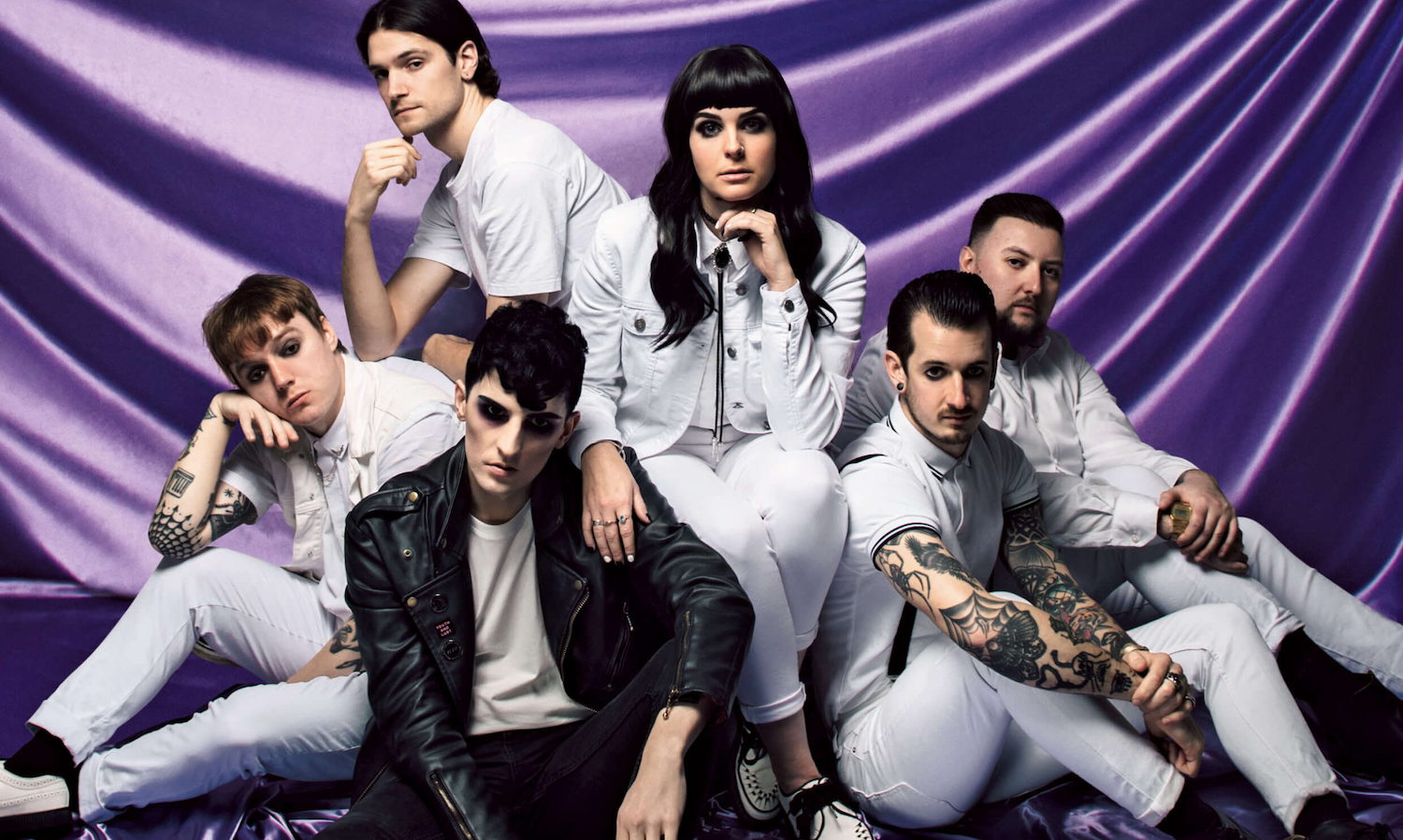
Creeper
With their macabre mall goth looks and predisposition towards grand narratives about doomed, destructive love amidst twisted fairy tales and warring heavenly forces, it’s easy to decry Creeper as a bunch of unhinged theatre kids, relics of preposterous eras in music we should all collectively forget ever happened. Yet if there is anything the past decade of pop culture has taught us, it is that aesthetics and tropes long thought to be the exclusive terrain of loners and freaks are far more universally appealing than everyone thought. With its expertly crafted melodies, anthemic choruses and breakneck structure indebted to musical theatre, the appeal of Creeper’s new album Sex, Death and the Infinite Void is undeniable even to critics who sneered at rock operas in the seventies and wrote off My Chemical Romance as a suicide cult for confused teenage girls thirty years later. Creeper pay homage to both, but their biggest inspiration on this album seems to have been the artist who could make any uncool thing cool: David Bowie. Jettisoning this scorching punk of their debut — though purists can now rely on singer Will Gould’s new and also side gig Salem to get their fix — Creeper go full glam on Sex, Death and the Infinite Void, channeling old-school rockabilly on “Cyanide” and blue-eyed soul on “Poisoned Heart”. The most memorable songs are still the stadium-sized belt-a-longs, though. “Be My End” kicks off the album like a getaway car speeding by mid-chance, while “Annabelle” escalates operatically into a cathartic climax. Creeper do not make particularly difficult or cerebral music, but that doesn’t mean they don’t put a lot of thought into the art they produce. Sex, Death and the Infinite Void in the end is but a fragment of a much larger world, a world of angels and devils, of ancient conspiracies and cataclysmic prophesies, and it sounds like it, too, but the exact details of the album’s storyline seem to have been kept deliberately vague. It’s this clever dedication to presenting an atmosphere, a setting as it were, rather than an explicit narrative that ultimately allow Creeper to fully immerse listeners into their music and lift it from overwrought vanity project into something much larger than the imagination of its creators. Only two albums into their career, they have already managed to replicate the true Broadway experience — they’ve made you able to enjoy a musical’s tunes even when you know you’ll never get a chance of seeing it on stage.
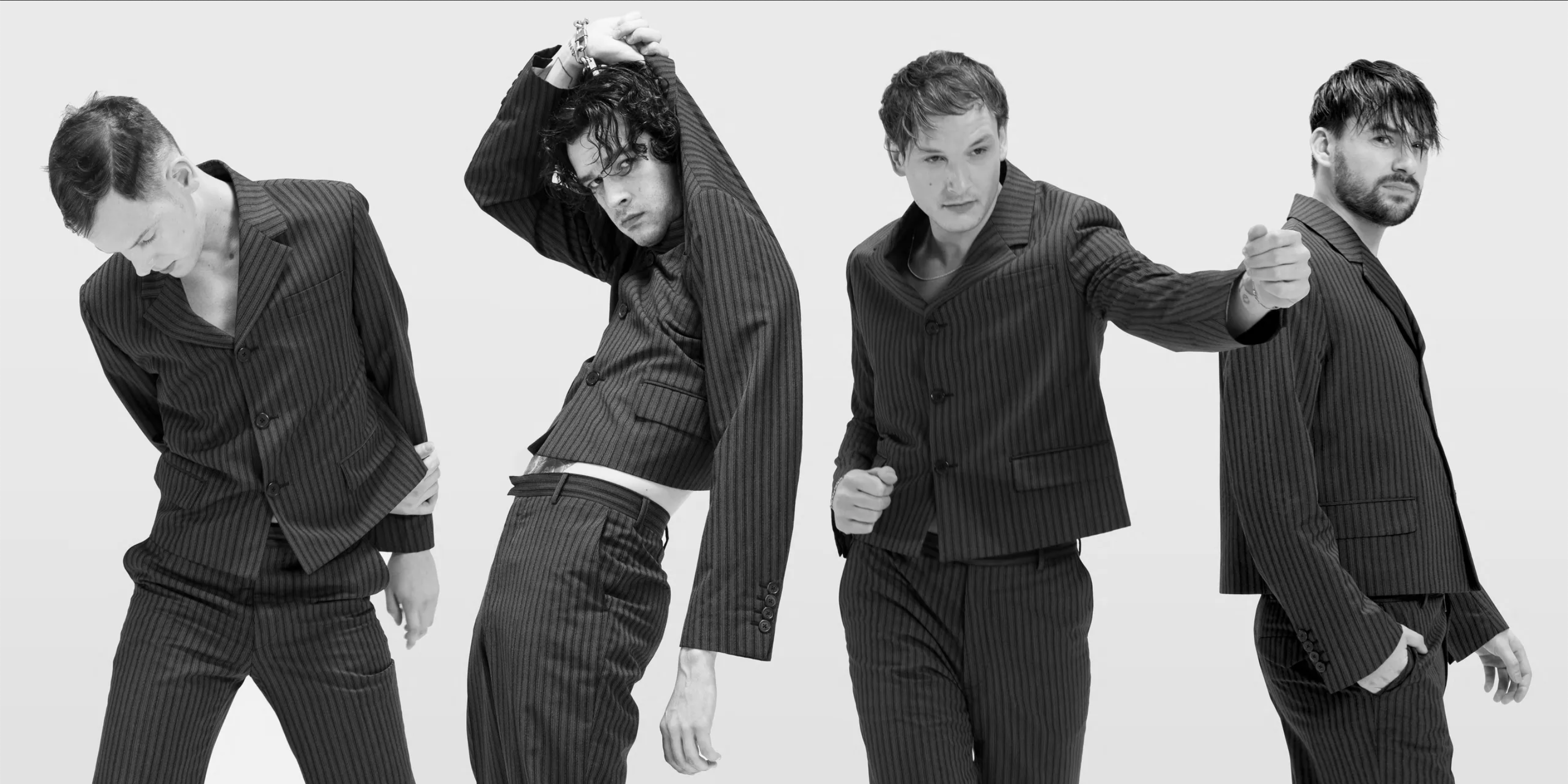
The 1975
Everyone who’s sort of into music or even was alive during the late nineties probably knows the story of Be Here Now, Oasis’ overblown follow-up to their legendary album (What’s The Story) Morning Glory?. Highly anticipated by a specialized press already high on its own supply, the album was met with rave reviews… only to almost immediately go down in history as a bloated and overwhelming mess, perhaps best described by Q magazine as “cocaine set to music”. It all but euthanized Oasis’ status as the biggest band in Britain and arguably killed the Britpop sound altogether. The 1975’s new album Notes on a Conditional Form in many ways reminds me of Be Here Now. It was announced almost a full year before its release, was preceded by seven (!) singles and cycled through three different cover arts before it came out. The entire thing is 22 tracks (!!) and 80 minutes (!!!) long, was obviously produced on bucketsful of white powder and doesn’t even try to justify its megalomaniacal scale. Out of the first seven tracks, three are instrumental intermezzos and one, the opening track, is a rousing speech by Greta Thunberg set to orchestral music. This thing is almost insufferable by design, taking the accusations that have been leveled against The 1975 and frontman Matty Healy in particular and turning them into a meme.
You see, unlike the Oasis of the late nineties, The 1975 are a thoroughly self-aware band, willing to fall flat on their faces and learn from their experiences. Their albums are not definitive opuses from a band claiming to be the greatest in the world, they are sprawling collections of experiments in anticipation of one day becoming the greatest band in the world. Notes on a Conditional Form is undeniably overlong, but its witty, rambling lyrics and scattershot feeling, not unlike the albums that preceded it, reflect the anxiety and sensory overload induced by browsing the Internet in this day and age. And just like on the Internet, virtually anyone will find at least one track on this album that will become one of their all-time favourites. There are simply too many moments of brilliance and audacity on this album for anyone to disregard it. Folkies will swoon when Phoebe Bridgers laments her unrequited love for the “girl next door” on “Jesus Christ 2005 God Bless America” and spit out their kombucha as Healy finds time amidst his stream of consciousness to shout-out the “all the weird stuff” (read: sexual misconduct allegations) regarding some fellow indie superstars on “The Birthday Party”. Rockers will raise their fists to the air as the band follows up on Thunberg’s message of hope with the cynical “People”, a nasty gut punch of a track that all but blames their own audience for the prospect of the young activist’s dream never coming true. “Frail State of Mind” could be a part of your next DJ set, “If You’re Too Shy (Let Me Know)” could top the Billboard Hot 100 and “Me and You Together Song” sounds like the cross-over between The Smiths and Wham! you never knew you wanted. What ultimately sets Notes on a Conditional Form apart from Be Here Now is that the former is a brilliant album buried under loads of turgid piffle, whereas the latter is a load of turgid piffle disguised as a brilliant album. In any case, it certainly has not come close to stopping The 1975’s momentum on their way to (or over) the top.

Rina Sawayama
Whenever someone asks me — or rather, I ask myself, since no one ever talks to me — if I’m still in touch with what’s hot and happening right now, I make a little list in my head of artists I’m currently into that I’m sure are totally topping the charts right now. Then I check and it consistently turns out to be the case that what I think of as “pop music” is as obscure to the mainstream as all the less accessible stuff I listen to, and what is actually considered “catchy” and “radio-friendly” nowadays is sad TikTok teens with face tattoos whining about how much they hate women. Rina Sawayama is one of those artists that would be killing it on the Hot 100 in my parallel universe. Her combination of Bush-era pop with heavy metal guitars has its finger firmly on the pulse of the zeitgeist — nostalgic but forward-thinking, ironic but genuine, brazen but intimate. The title of Sawayama’s debut album is her surname is all-caps, a statement she immediately makes a case for with the theatrical “Dynasty”, an anthem that mixes anxious lyrics about familial grief with the operatic grandeur of an Evanescence track. The intersection between the personal and the grandiose runs throughout the album: “STFU” appropriates bratty nu-metal to snap back at casual racism, “XS” cheerfully touches onto the desire to buy more stuff even you know capitalism is a scourge, while “Bad Friend” adopts a gospel choir to issue an all too familiar apology for, well, being a bad friend. The topic of family returns near the end of the album with “Chosen Family”, a delightfully treacly arena ballad that urges the listener to jettison abusive or intolerant relatives in favour of people they actually want to be around. It’s a wonderful message to close an album on, but on the actual closer “Snakeskin”, Sawayama truly ties her eponymous effort up with a neat little bow, leaving her songs and sentiments for her fans to claim as their own. It’s the attitude of a bona fide pop star, making it all the more baffling that she somehow isn’t, in spite of everything. Why can’t normal people just be a bit more welcoming towards the offbeat?
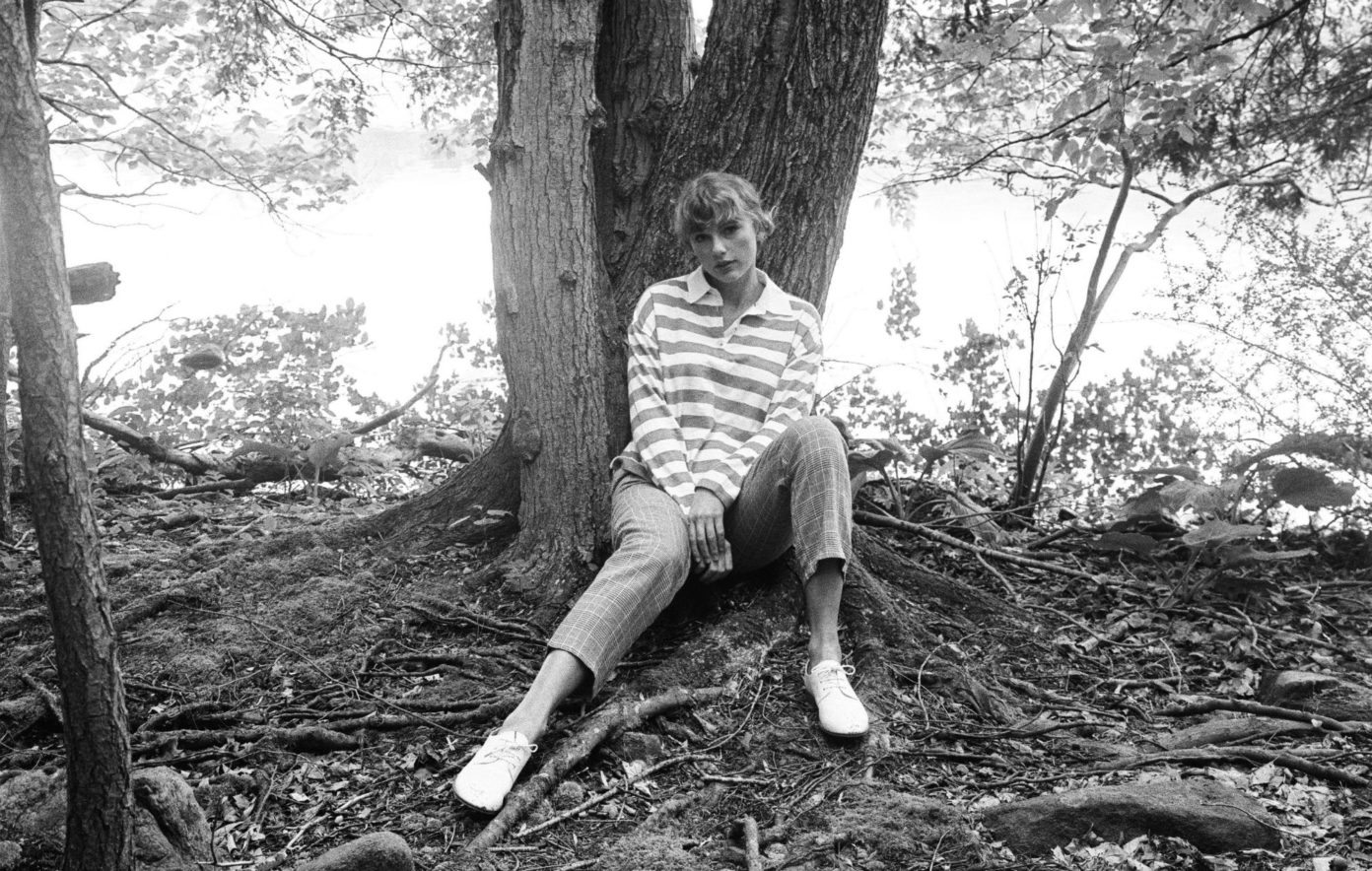
Taylor Swift
The new Taylor is dead, long live the old Taylor! In 2020, one of the most successful musicians of her generation looped back around to being the darling of a slightly more fringe niche, though people surprised to see the two albums she released this year, Folklore and Evermore, ending up with glowing praise from outlets like Pitchfork or Stereogum clearly haven’t been paying a lot of attention. The truth is that Taylor Swift isn’t good now all of a sudden, the point is that she’s always been a talented songwriter with a universally appealing sound and an ear for infectuous melodies. This is not a controversial statement, but still — even where everyone acknowledges that Swift has written some truly excellent songs, few people have up until now felt comfortable with calling her a great artist. The reason why is fairly simple: If you weren’t a Taylor super fan, chances were likely she was starting to get on your nerves. Swift had always been dunked on for her seeming inability to look at the world through any lens other than her own, absurdly narrow one, but the last couple of years made her especially hard to love, what with her ill-advised attempts to become the “badass bitch” kind of superstar she couldn’t be in her wildest dreams and the whole thing where she chirped about totally being able to relate to the LGBT+ community because, after all, she too has to deal with haters. She seemed en route to fizzle out along with the decade that made her big. Until, y’know, the thing happened.
The COVID-19 pandemic brought a number of albums to the forefront, either because they were deliberately created as a reaction to the lockdowns, like Charli XCX’s how i’m feeling now, or because they coincidentally managed to perfectly encapsulate the zeitgeist, like Fiona Apple’s Fetch the Bolt Cutters. Folklore and Evermore are to me the essential lockdown albums, however, because they are most obviously the result of everything you could imagine an artist going through during times like these. These two albums are the sound of Swift being forced to go back to the drawing board, to look at her career from a different perspective and come out all the better for it. Most of all, however, Folklore and Evermore are the sound of Taylor Swift learning empathy. They are not good because Swift is now working together with artists who do get the hipster seal of approval, like Bon Iver or The National. They are mostly good because Swift is singing about people who aren’t her, and as a result has no motive to try and please everyone, both sonically and lyrically. This results in a seemingly bottomless pool of beautiful, subtle, romantic stories (and in great country music tradition, some surprisingly gnarly ones) in which the singer envisions herself as a number of distinct, but relatable characters in situations ranging from the adorable to the scandalous to the downright heartbreaking. Taylor Swift contains multitudes, man, who could’ve seen that coming? This truly was a year full of surprises.
It’s about time it ended, though.



 Retroversy
Leave a reply to ayesha Cancel reply